
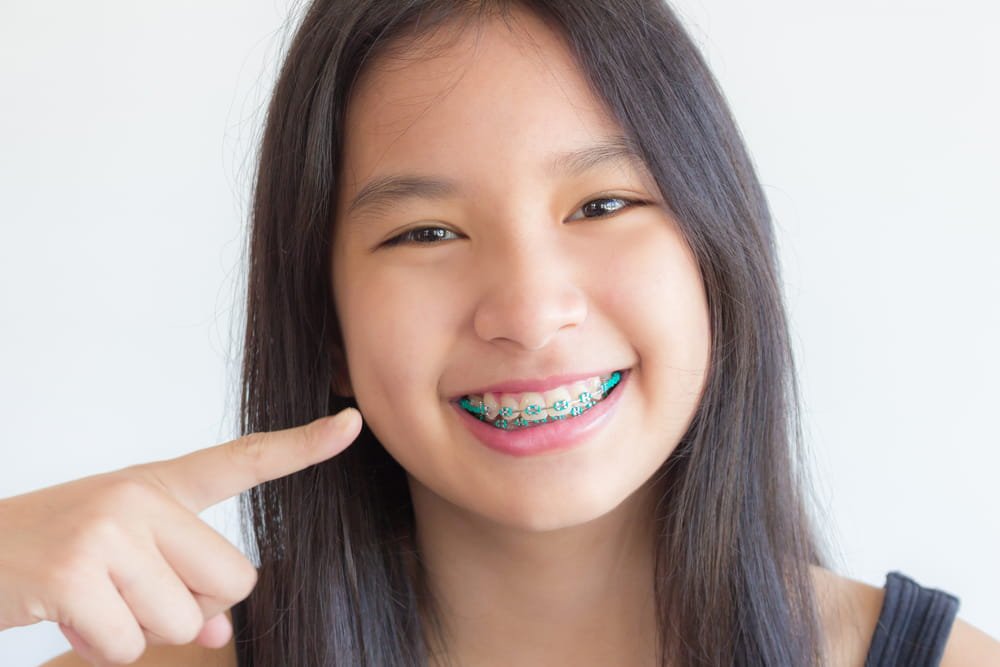
At Dentistry for Children and Young Adults in San Jose, CA, Shawn Taheri, DDS, families often ask what really leads to the need for braces in children. Braces are commonly recommended when teeth or jaws are not properly aligned, a condition known as malocclusion. This can include crowding, spacing issues, overbites, underbites, or crossbites. While some alignment concerns are purely cosmetic, many affect how a child chews, speaks, and maintains oral hygiene.
Early evaluation plays an important role in identifying orthodontic needs before they become more complex. The American Association of Orthodontists recommends that children have an initial orthodontic screening around age seven, even if braces are not immediately necessary. This early assessment allows dental professionals to monitor growth patterns and determine the best timing for treatment, which can sometimes reduce the duration or complexity of future braces.
Types of Braces and How They Work
Braces work by applying gentle, consistent pressure to move teeth into better alignment over time. Traditional metal braces remain the most common option for children because they are durable and effective for a wide range of orthodontic issues. They consist of brackets bonded to each tooth, connected by wires that are periodically adjusted to guide tooth movement.
In addition to traditional options, advancements in orthodontics have introduced alternatives such as ceramic braces or clear aligners for certain cases. However, treatment choice depends on the child’s specific needs, age, and dental development. Orthodontic care, such as that provided through Orthodontics, focuses not only on improving appearance but also on creating a healthier bite that supports long-term oral function. Regular Dental Exams and Cleanings are also essential during treatment to ensure teeth and gums remain healthy throughout the process.
What to Expect During Treatment
Starting braces can feel like a big step for children and parents alike, but understanding the process helps ease concerns. After the braces are placed, children may experience mild discomfort as their teeth begin to shift. This usually subsides within a few days and becomes manageable as they adjust. Regular orthodontic visits are scheduled to make adjustments and monitor progress, ensuring the teeth are moving as planned.
Oral hygiene becomes especially important during orthodontic treatment. Brackets and wires can trap food particles, making brushing and flossing more challenging. Children may need to spend extra time cleaning their teeth and use specialized tools recommended by their dental provider. Protective measures, such as wearing a mouthguard during sports, can also help prevent damage to braces and teeth during physical activities.
Life After Braces and Long-Term Benefits
Once braces are removed, children typically wear a retainer to maintain their new smile. This step is crucial because teeth naturally tend to shift back toward their original positions. Wearing retainers as directed helps preserve the results of orthodontic treatment and ensures long-term success.
Beyond aesthetics, properly aligned teeth contribute to improved oral hygiene, better chewing function, and reduced risk of dental issues such as cavities and gum disease. Early orthodontic intervention can also help guide jaw development, preventing more serious complications later in life. With proper care and guidance, children can enjoy both the health and confidence benefits of a well-aligned smile.
Dentistry for Children and Young Adults in San Jose, CA emphasizes the importance of early orthodontic awareness and individualized care to support every child’s developing smile.
Resources
American Association of Orthodontists. (2023). Early Orthodontic Treatment Guidelines.
American Dental Association. (2022). Braces and Orthodontic Care for Children.
National Institute of Dental and Craniofacial Research. (2021). Orthodontics and Oral Health in Children.


