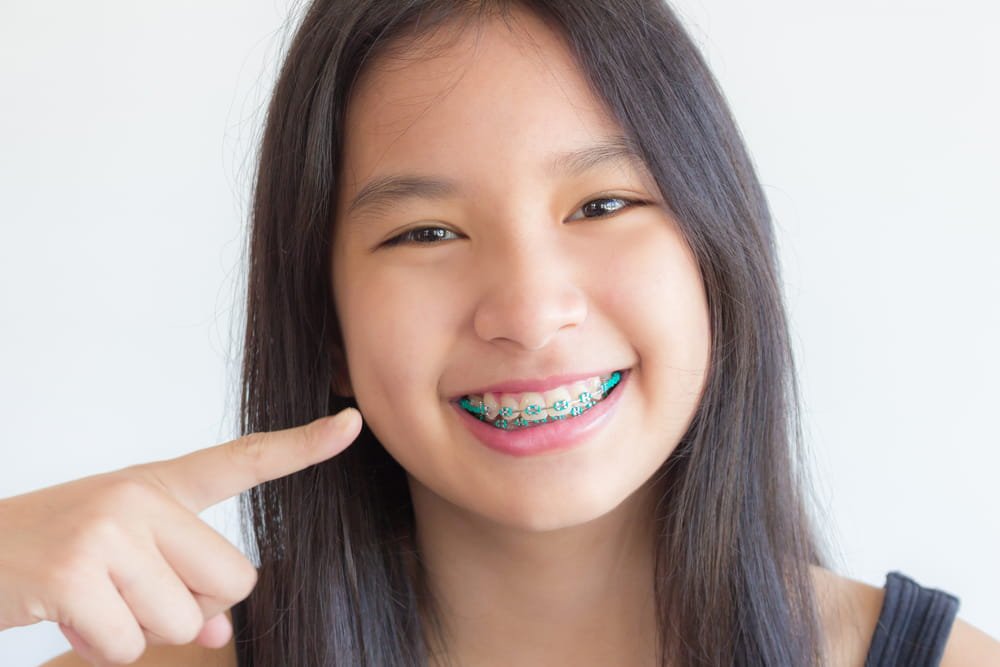
At Dentistry for Children and Young Adults in San Jose, CA, led by Shawn Taheri, DDS, parents often express concern about discoloration in their child’s smile. Teeth staining in children can be more than just a cosmetic issue—it may affect self-esteem, social interactions, and even signal underlying dental concerns. Stains typically fall into two categories: extrinsic (surface stains caused by foods, drinks, or poor oral hygiene) and intrinsic (deeper discoloration related to medications, trauma, or developmental conditions).
Children are especially vulnerable to staining due to dietary habits like consuming juices, sodas, or brightly colored snacks. Additionally, inadequate brushing or irregular dental visits can allow plaque buildup, which contributes to discoloration over time. Understanding the root cause is the first step in determining whether the staining is harmless or requires professional attention.
Common Causes and Risk Factors
Several everyday factors contribute to tooth staining in children, and recognizing them early can help prevent long-term discoloration. Poor oral hygiene is one of the most common causes, as plaque and tartar accumulate and trap pigments from food and beverages. Certain medications, such as antibiotics taken at a young age, can also lead to intrinsic staining that is more difficult to remove.
Another contributing factor is enamel development. Children with weaker or thinner enamel may be more prone to discoloration because stains penetrate more easily. Preventive strategies, including routine Preventive Care and regular Dental Exams and Cleanings, play a crucial role in identifying these risks early and maintaining a brighter smile. Fluoride exposure, when used appropriately through treatments like Fluoride, can also strengthen enamel and reduce the likelihood of staining.
Prevention Strategies for a Brighter Smile
Preventing teeth staining in children begins with consistent oral hygiene habits and mindful dietary choices. Encouraging children to brush twice daily with fluoride toothpaste and floss regularly helps remove plaque and prevent surface stains from forming. Parents can also limit staining foods and drinks, such as sodas, sports drinks, and heavily pigmented snacks, while promoting water and milk as healthier alternatives.
In addition to at-home care, professional dental visits are essential. Regular cleanings remove stubborn plaque and tartar that brushing alone cannot address. Preventive treatments, such as sealants and fluoride applications, further protect teeth from damage and discoloration. Establishing these habits early not only preserves the natural appearance of teeth but also supports long-term oral health.
- Brush twice daily with fluoride toothpaste
- Limit sugary and pigmented foods and drinks
- Schedule routine dental visits
- Encourage rinsing with water after meals
Treatment Options for Stained Teeth
When staining does occur, there are several treatment options available depending on the severity and type of discoloration. For mild surface stains, professional cleanings may be sufficient to restore the natural color of the teeth. In more persistent cases, cosmetic approaches such as Cosmetic Dentistry or Bonding can improve appearance by covering or correcting discolored areas.
It is important to note that not all whitening treatments are suitable for children, especially younger patients with developing teeth. A dental professional can determine the safest and most effective approach based on the child’s age, dental history, and specific needs. Early evaluation ensures that treatment addresses both aesthetic concerns and overall oral health.
Supporting Healthy Smiles Long-Term
Teeth staining in children is a common concern, but it is often preventable and treatable with the right approach. By focusing on strong oral hygiene habits, regular dental care, and early intervention, parents can help their children maintain bright, healthy smiles. Education and consistency are key to minimizing the impact of staining and promoting confidence as children grow.
Dentistry for Children and Young Adults in San Jose, CA emphasizes the importance of proactive care and informed decision-making when it comes to children’s oral health. With proper guidance and attention, families can effectively manage and prevent teeth staining while supporting lifelong dental wellness.
Resources
American Academy of Pediatric Dentistry. (2023). Guideline on Adolescent Oral Health Care.
Centers for Disease Control and Prevention. (2022). Children’s Oral Health Basics.
Colgate Oral Care Center. (2021). Causes of Tooth Discoloration in Children.