At Dentistry for Children and Young Adults in San Jose, CA, Dr. Shawn Taheri, DDS, emphasizes that a child’s first dental visit is a foundational step toward lifelong oral health. The American Academy of Pediatric Dentistry recommends that children see a dentist by their first birthday or within six months of their first tooth erupting. This early introduction allows dental professionals to monitor development, detect potential concerns early, and provide parents with essential guidance on proper oral care routines.
Beyond clinical evaluation, the first visit plays a significant role in shaping a child’s perception of dental care. A positive, gentle introduction helps reduce fear and anxiety, making future visits more comfortable. Early visits also support preventive strategies, such as Preventive Care and Dental Exams and Cleanings, which are critical for maintaining healthy teeth and gums as children grow.
What to Expect During the First Visit
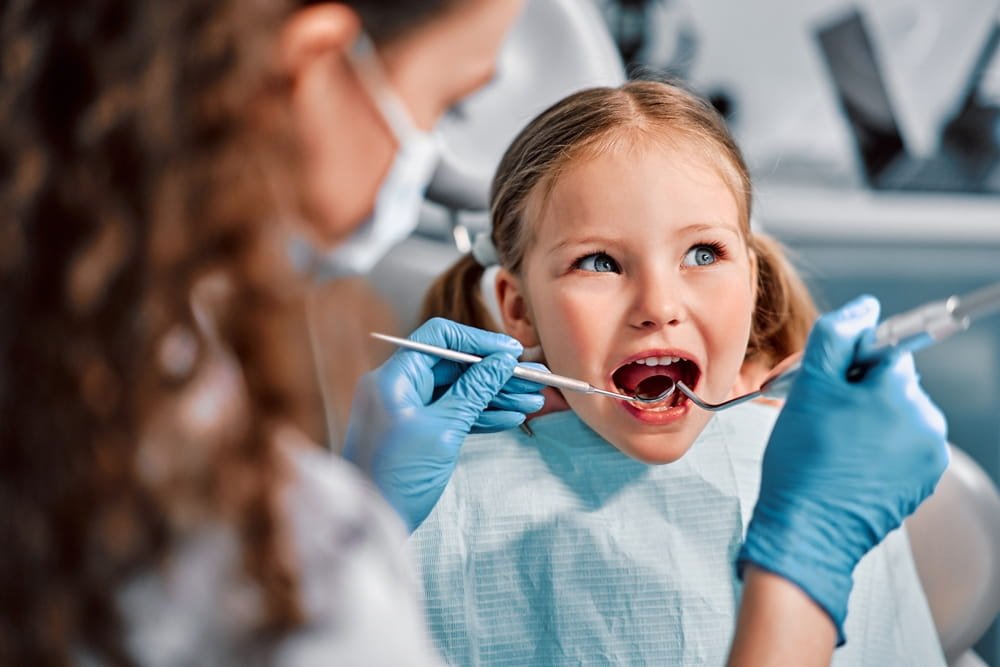
The first dental appointment is typically short and focused on comfort, education, and assessment. The dentist will gently examine your child’s teeth, gums, jaw, and bite to ensure proper development. In many cases, the child may sit on a parent’s lap to feel secure during the examination. The goal is not only to evaluate oral health but also to create a calm and welcoming experience.
During the visit, parents can expect to receive guidance on brushing techniques, teething, thumb-sucking habits, and nutrition. Preventive treatments such as Fluoride may be discussed to help strengthen enamel and protect against cavities. In some cases, dentists may also introduce options like Sealants as children grow older to further reduce the risk of tooth decay. For families with children who have special healthcare needs, pediatric dentists tailor their approach to ensure a supportive and accommodating environment.
How to Prepare Your Child for Success
Preparation can make a significant difference in how a child experiences their first dental visit. Parents are encouraged to talk positively about the dentist, using simple and reassuring language. Avoid using words that might cause fear, and instead frame the visit as a fun and important step in staying healthy. Reading children’s books about dental visits or role-playing at home can also help familiarize your child with what to expect.
Practical preparation steps include scheduling the appointment at a time when your child is well-rested and cooperative, bringing comfort items like a favorite toy, and arriving early to allow your child to adjust to the new environment. Parents should also be ready to discuss their child’s medical history, habits, and any concerns they may have.
- Talk positively about the dental visit
- Schedule appointments during your child’s best time of day
- Bring a favorite toy or comfort item
- Be calm and supportive during the appointment
Establishing good habits early, including regular checkups and programs like Teeth For Life, helps children build a strong foundation for oral health that lasts into adulthood.
Building a Lifetime of Healthy Smiles
A child’s first dental visit is more than just an appointment—it is the beginning of a lifelong relationship with oral health care. Early exposure to dental visits encourages consistency, prevention, and confidence. By starting early, parents can help their children avoid common dental issues and develop healthy habits that will benefit them for years to come.
At Dentistry for Children and Young Adults in San Jose, CA, Dr. Shawn Taheri, DDS, highlights the importance of creating positive early experiences that support both oral health and overall well-being. With the right preparation and a focus on prevention, families can ensure that their child’s first dental visit is a successful and stress-free milestone.
Resources
American Academy of Pediatric Dentistry. (2023). Guideline on Infant Oral Health Care.
Centers for Disease Control and Prevention. (2022). Children’s Oral Health Basics.
Colgate Oral Care Center. (2023). Your Child’s First Dental Visit.